Best Practices for Hybrid Video Presentations and Meetings
Meeting Room and Service Requirements
Hybrid video presentations and meetings—where some participants are in a conference room and others join remotely—require intentional design, reliable technology, and structured facilitation to succeed. The most critical principle is a remote-first approach, ensuring all participants have equal access to audio, video, and shared content. When remote attendees struggle to engage, presentation effectiveness declines.
Audio quality is the single most important factor. Poor sound quickly leads to disengagement, missed information, and repeated interruptions. High-quality microphones, proper echo control, and standardized room setups are essential. Video also plays a key role; clear camera placement, proper lighting, and full room visibility help remote participants stay connected and interpret non-verbal cues.
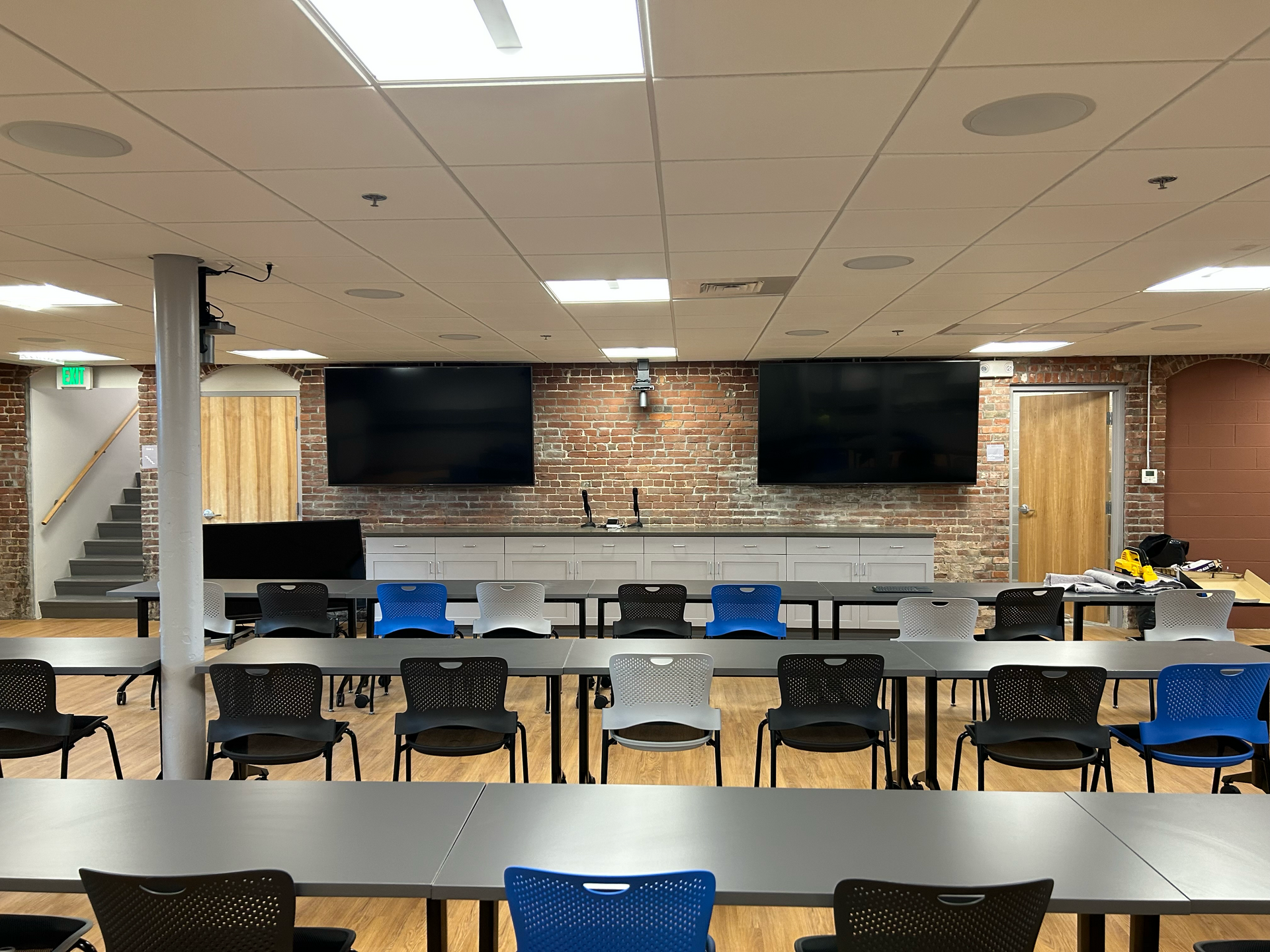
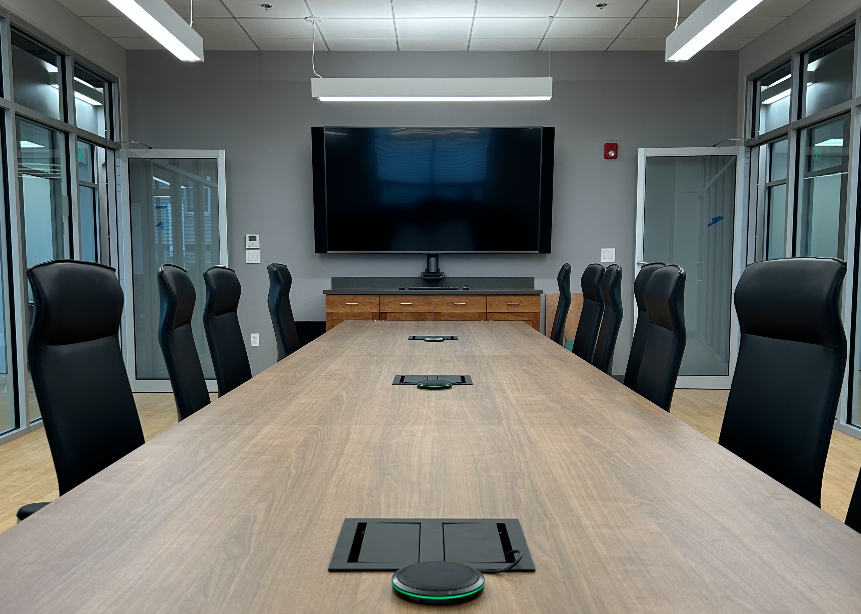
This equipped multi-purpose room incudes two 85" displays (one to view remote participants - the other for presentation content), a lavalier mic for the presenter and two stick mics for participants (on the center of the counter in the front of the room), multiple ceiling speakers, two HD cameras (one to view the audience (between the two displays), the other the presenter (top of the pole on the left of the room)), and a 65"confidence display for the presenter (in front of the pole).
Defined Roles and Intentional Facilitation
Successful hybrid presentations depend on defined roles and intentional facilitation.
Assigning responsibility for presentation flow, remote inclusion, and technical management ensures balanced participation.
Structured interaction—such as pausing for remote input and minimizing in-room side conversations—prevents remote attendees from becoming secondary participants.
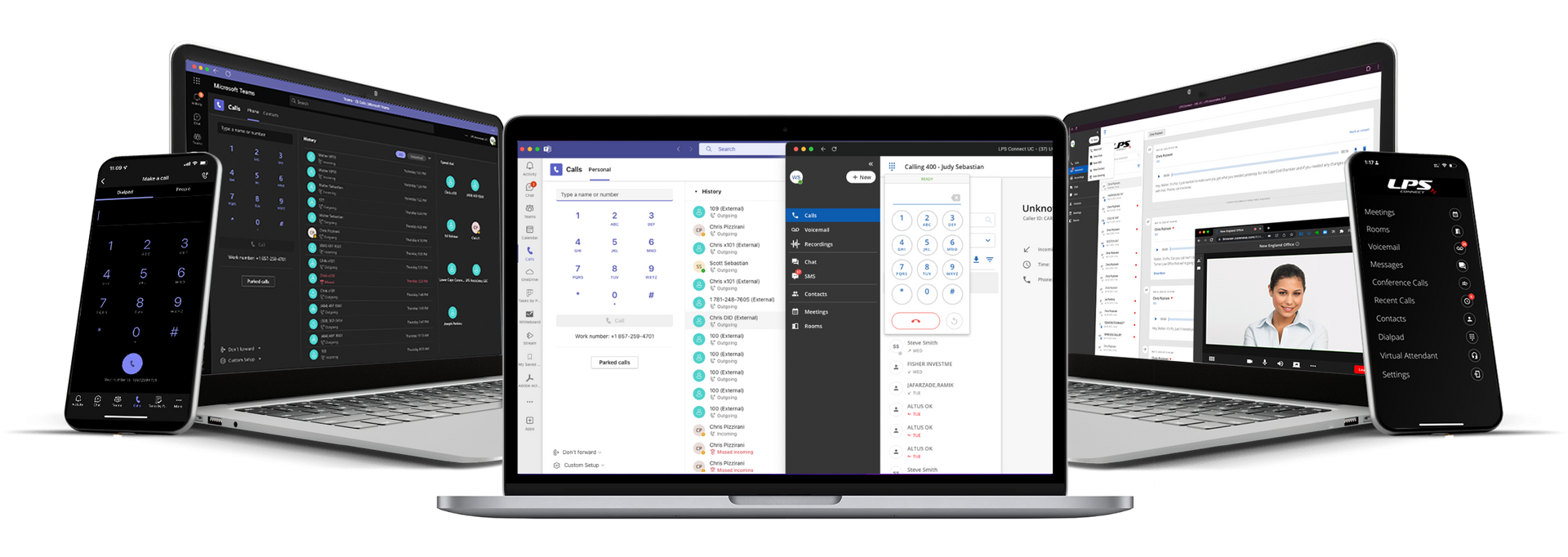
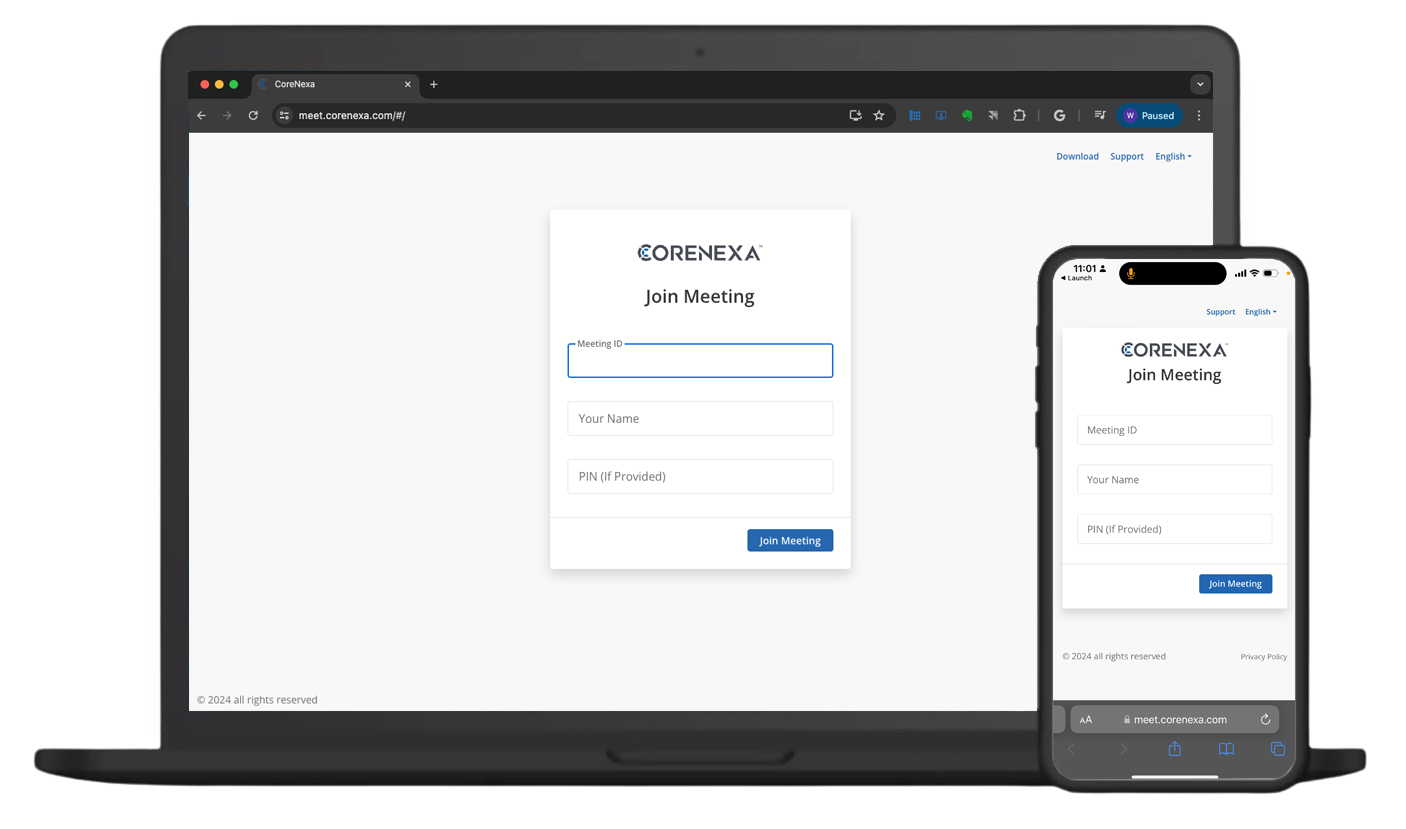
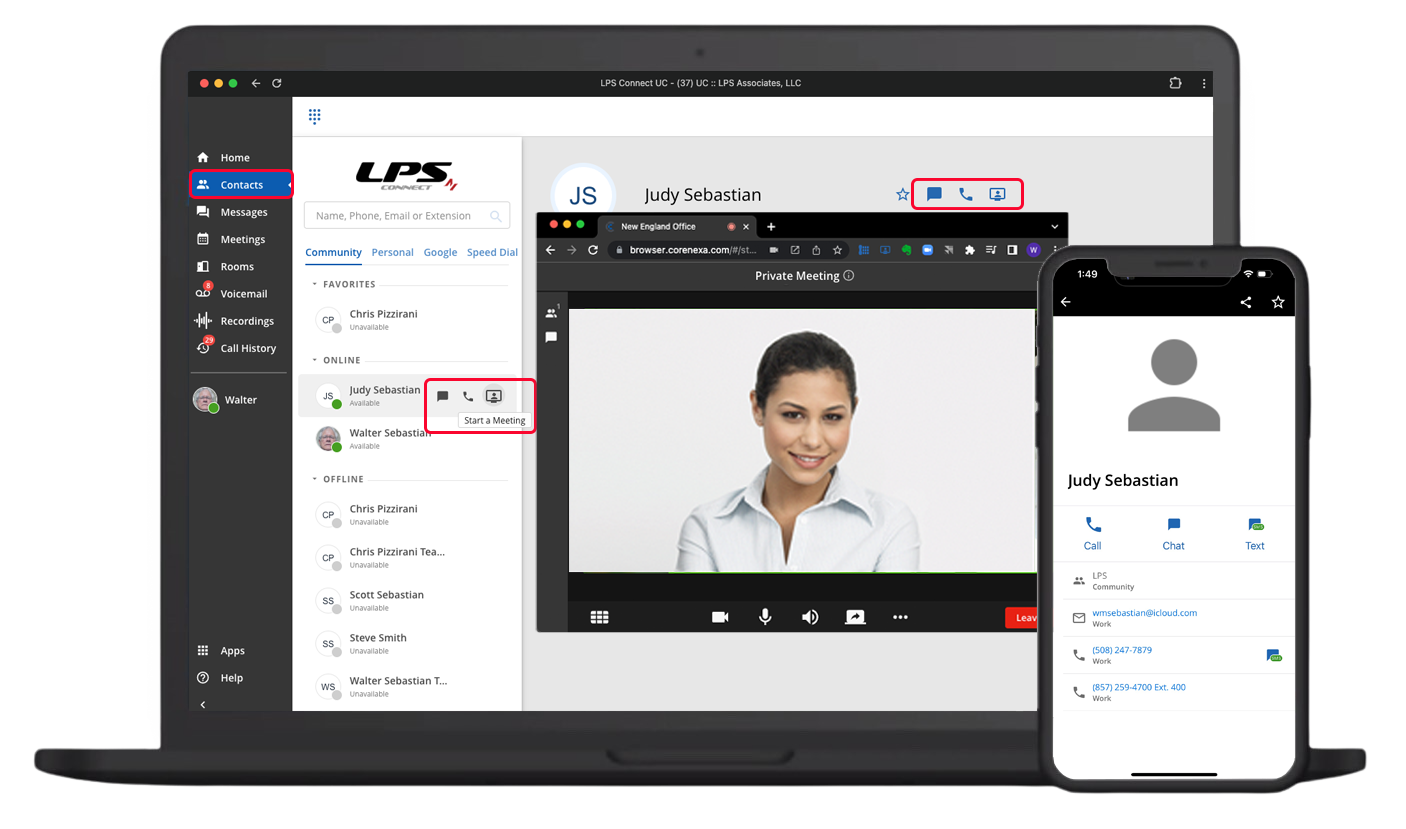
Consistency in platforms and collaboration tools—such as Zoom, Microsoft Teams, and CoreNexa — reduces friction and improves usability. Equally important is the use of digital-first content sharing, ensuring all materials are accessible regardless of location.
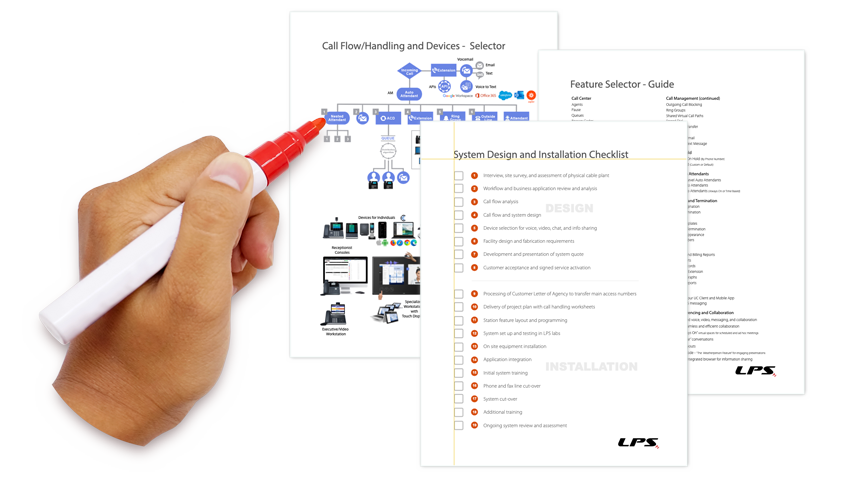
Organizations should also optimize presentation length and delivery cadence, standardize room configurations, and support users with training and pre-session checks. Avoiding common failure points—such as poor audio, room-dominated discussions, and inaccessible content—is critical to maintaining engagement.
When executed effectively, hybrid presentations deliver significant business value:
- Inclusive participation with no “second-class” attendees
- Improved understanding and decision-making through clear communication
- Greater productivity by minimizing technical disruptions
- Support for flexible work models
- Stronger engagement and audience connection
- Enhanced professionalism in client and stakeholder interactions
- Productive presentation and meeting
Bottom line
Hybrid presentations are not just a technology challenge—they are a communication strategy.
When designed and delivered well, they enable clearer messaging, stronger engagement, and better outcomes.
When poorly executed, they create friction that impacts effectiveness, credibility, and results.